Art has always evolved alongside technology. From cave paintings and paintbrushes to graphic tablets and advanced design software, every generation of artists has embraced new tools to bring ideas to life.
Today, we are witnessing another major shift in the creative world: AI digital art creation, a technology that is changing how artists turn ideas into beautiful artwork.
AI-powered creativity is transforming digital art creation in ways that seemed impossible just a few years ago. Artists can now generate stunning illustrations from simple text prompts, enhance images with a single click, and experiment with styles that once required years of training to master.
At first, many creators viewed AI with skepticism. Some feared it would replace human artists, while others questioned its value as a creative tool.
As AI technology has matured, many artists have discovered that artificial intelligence is not replacing creativity—it is expanding it. AI digital art creation helps creators work faster, explore more ideas, and overcome creative blocks while keeping their own artistic style.
In this guide, we explore how AI is changing digital art creation, the benefits and challenges of AI-powered art, the best tools for beginners, and what the future may hold for artists in this rapidly evolving landscape.
What Is AI Digital Art Creation?
AI digital art creation refers to the process of creating artwork with the assistance of artificial intelligence systems that help artists transform ideas into stunning visuals.
These systems analyze vast amounts of visual data and learn patterns, styles, colors, shapes, and artistic techniques.
Instead of manually drawing every detail, artists can utilize AI to generate concepts, create backgrounds, enhance images, suggest compositions, and even produce complete artworks based on written descriptions.
For example, a user can type:
“A futuristic city floating above the clouds at sunset in a fantasy style.”
Within seconds, an AI art generator can produce multiple interpretations of that idea.
The result is a creative partnership between human imagination and machine intelligence.
Why AI Is Transforming Digital Art Creation
The fast growth of AI digital art creation has made professional-quality artwork accessible to beginners, freelancers, marketers, and experienced digital artists around the world.
Artificial intelligence has become popular because it solves several challenges that artists face daily.
Many creators struggle with creative blocks, limited time, or technical limitations. AI helps remove some of these obstacles, allowing artists to focus more on ideas and storytelling.
Faster Creative Workflows
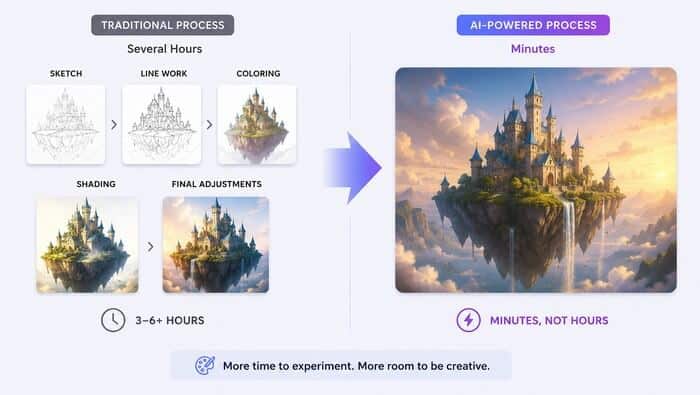
Creating digital art traditionally requires multiple stages, including sketching, line work, coloring, shading, and final adjustments.
AI tools can automate many of these tasks, dramatically reducing production time.
An illustration that once took several hours can now be completed much faster, giving artists more opportunities to experiment and refine their work.
More Creative Exploration
One of the most exciting aspects of AI is its ability to generate unexpected ideas.
Artists often discover new compositions, color schemes, and visual concepts that they might not have considered on their own.
This makes AI a powerful brainstorming companion rather than just a production tool.
Lower Barriers for Beginners
Learning digital art can feel overwhelming for newcomers. Advanced software often comes with steep learning curves.
AI-powered tools make it easier for beginners to create impressive artwork without years of technical experience.
This accessibility has opened the door for millions of new creators around the world.
Visual Idea: Traditional Art vs AI-Assisted Art Workflow
Traditional Workflow
Idea → Sketch → Line Art → Coloring → Shading → Final Artwork
AI-Assisted Workflow
Idea → AI Concept Generation → Refinement → Personal Artistic Touches → Final Artwork
How AI Art Generators Work
Most AI digital art generators rely on machine learning models trained on large image datasets.
These systems analyze visual relationships and learn how different artistic elements interact.
When users provide prompts, the AI interprets the text and creates images based on patterns it has learned during training.
Modern AI systems can understand:
- Artistic styles.
- Lighting conditions.
- Perspective.
- Color palettes.
- Character design.
- Landscapes.
- Fantasy concepts.
- Realistic imagery.
The more detailed the prompt, the more precise the generated image usually becomes.
The Benefits of AI in Digital Art Creation
Increased Productivity
One of the greatest advantages of AI digital art creation is the ability to generate concepts, backgrounds, and design ideas in just a few minutes.
AI allows artists to complete projects faster by automating repetitive tasks.
Instead of spending hours creating variations of the same concept, creators can generate multiple options instantly.
This efficiency is particularly valuable for:
- Graphic designers.
- Marketing teams.
- Content creators.
- Game developers.
- Illustrators.
Endless Inspiration
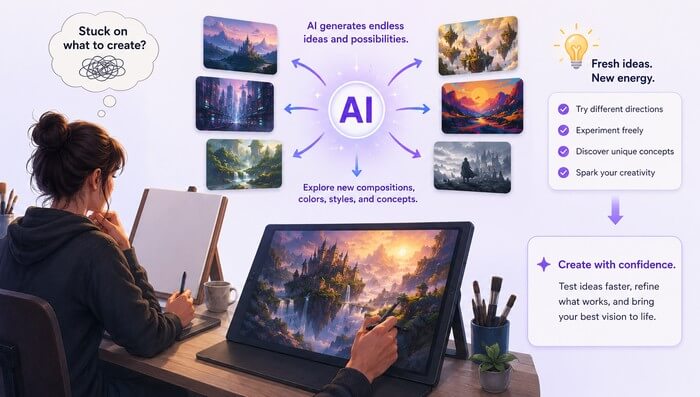
Every artist experiences creative fatigue at some point.
AI can generate fresh concepts and alternative directions, helping creators regain momentum. Instead of staring at a blank canvas, artists can use AI to explore new compositions, color palettes, or artistic styles that spark fresh ideas.
Many artists use AI as a digital sketchbook filled with limitless inspiration. It allows them to quickly test different concepts before investing hours in refining a final piece.
This faster creative process encourages experimentation and often leads to ideas that might never have emerged through traditional brainstorming alone.
Enhanced Learning Opportunities
Beginners can study AI-generated artwork to better understand composition, lighting, and color theory. Seeing how different prompts produce different results helps new artists recognize the visual elements that make an image balanced and engaging.
The technology also encourages experimentation without fear of making mistakes. Since ideas can be generated and refined in just a few clicks, beginners gain the confidence to try new styles, techniques, and creative concepts.
Over time, this hands-on practice helps build both artistic skills and creative confidence.
Cost-Effective Creation
Small businesses and independent creators often have limited budgets, making it difficult to hire professional designers or large creative teams for every project.
AI tools provide affordable ways to create professional-quality visuals without the high costs typically associated with custom design work.
From social media graphics and website banners to product mockups and marketing materials, creators can produce polished content in a fraction of the time.
This allows entrepreneurs and freelancers to compete more effectively while keeping their creative expenses under control.
Instead of searching through thousands of stock photo collections, creators can generate custom visuals that better match their brand, message, or creative concept.
Better SEO
AI-generated images can also contribute to better SEO when they are used strategically.
Original visuals make blog posts more engaging, encourage visitors to spend more time on a page, and can increase the chances of earning backlinks and social shares.
To maximize SEO benefits, remember to optimize your images by using descriptive file names, keyword-rich alt text, image compression, and modern formats like WebP.
Proper image compression helps reduce file sizes without noticeably affecting visual quality, improving page loading speed and the overall user experience.
Combining AI Digital Art Creation with proper image optimization helps improve both user experience and search engine visibility.
Rapid Prototyping
Game studios, filmmakers, and product designers utilize AI to create concept art efficiently, enabling them to explore multiple visual directions within a short timeframe.
Instead of spending days producing early sketches, creative teams can generate several ideas within minutes and choose the strongest concepts to develop further.
This allows teams to visualize ideas before committing significant resources to development.
Faster prototyping also improves collaboration, as artists, designers, and stakeholders can review concepts early in the creative process and make informed decisions before production begins.
Common Concerns About AI Art
Despite its advantages, AI-generated art remains a topic of debate.
As the technology becomes more advanced and widely available, artists, designers, and industry experts continue to discuss its impact on creativity, originality, and the future of the creative profession.
Some people see AI as a valuable tool that enhances artistic expression, while others worry about copyright issues, ethical concerns, and the possibility of AI-generated content competing with human-made artwork.
These discussions are helping shape new guidelines and best practices as AI becomes a permanent part of the digital art landscape.
Copyright and Ownership Questions
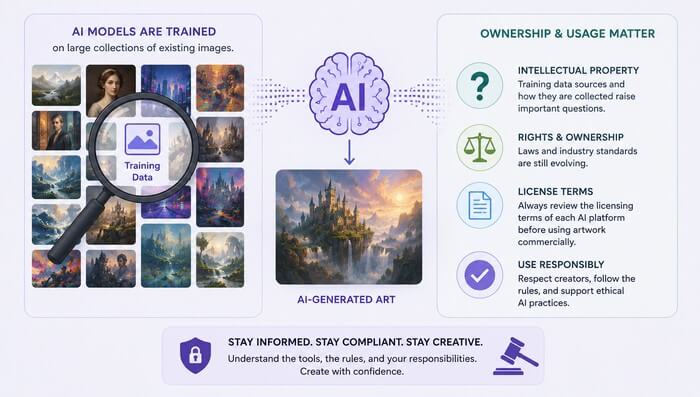
One of the biggest concerns involves intellectual property.
Since many AI models are trained using large collections of existing images, questions have emerged about how that training data is collected and how the resulting artwork can be used.
Artists and creators want greater transparency regarding the sources of training data and the rights associated with AI-generated images.
As laws and industry standards continue to evolve, it is important to understand the licensing terms of each AI platform before using AI-generated artwork for commercial projects.
Taking a few minutes to review these policies can help creators avoid legal complications and protect their work.
Questions often arise regarding:
- Training datasets.
- Artist consent.
- Commercial rights.
- Originality.
As regulations continue to evolve, creators should review the licensing terms of each AI platform before using generated content commercially.
Authenticity Concerns
Some critics argue that AI-generated images lack the emotional depth of traditional artwork. While AI can produce beautiful visuals and imitate a wide range of artistic styles, it does not experience life, emotions, or personal memories in the way human artists do.
For many people, these personal experiences are what give a piece of art its deeper meaning and emotional connection.
While AI can generate visually impressive results, human experiences, emotions, and personal stories remain central to meaningful artistic expression. The most compelling artwork often reflects an artist’s unique perspective, values, and imagination.
For this reason, many creators see AI as a creative partner that supports their ideas rather than replacing the human element that makes art truly memorable.
Market Competition
The growing popularity of AI digital art has increased competition in creative industries. As AI tools become more accessible, individuals and businesses can produce high-quality visuals faster than ever before.
This has changed client expectations, with many projects now demanding shorter turnaround times and greater flexibility.
Artists who adapt and integrate AI into their workflows may gain advantages in speed and productivity. By using AI to handle repetitive tasks, generate initial concepts, or explore creative ideas, artists can dedicate more time to refining their work and developing their unique style.
Rather than viewing AI as a competitor, many professionals see it as a valuable assistant that helps them stay competitive in an evolving creative landscape.
Free AI Art Tools for Beginners
If you are new to AI-powered creativity, several free tools provide excellent starting points. Many of these platforms are designed with beginners in mind, offering simple interfaces and built-in features that make it easy to generate artwork from text prompts or enhance existing images.
Free platforms have made AI digital art creation more accessible than ever, allowing anyone to start creating impressive artwork without a large budget.
They also provide a risk-free way to learn how AI art generators work, experiment with different artistic styles, and build confidence before investing in premium software.
As your skills and creative projects grow, you can explore more advanced tools that offer greater control, higher image quality, and additional customization options.
Canva AI
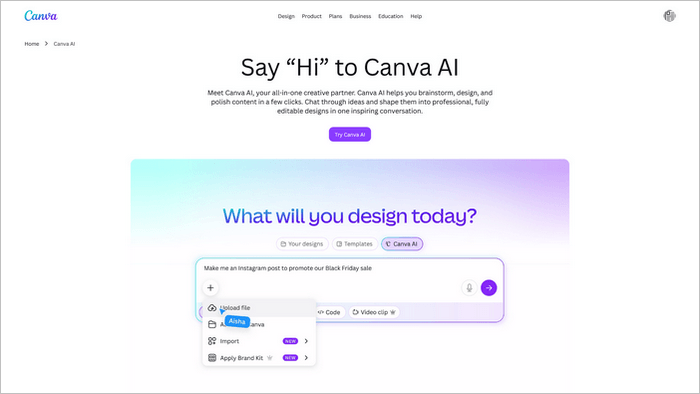
Canva offers AI image generation directly within its design platform, making it easy to create original visuals without switching between multiple applications.
Users can generate images from text prompts and instantly incorporate them into presentations, social media posts, blog graphics, and marketing materials.
Beginners appreciate its simplicity and user-friendly interface. The drag-and-drop editor, ready-made templates, and built-in design tools make it easy to create professional-looking content, even with little or no graphic design experience.
It is an excellent starting point for anyone exploring AI digital art creation for personal or business projects.
Best for:
- Social media graphics.
- Marketing visuals.
- Blog images.
Microsoft Designer
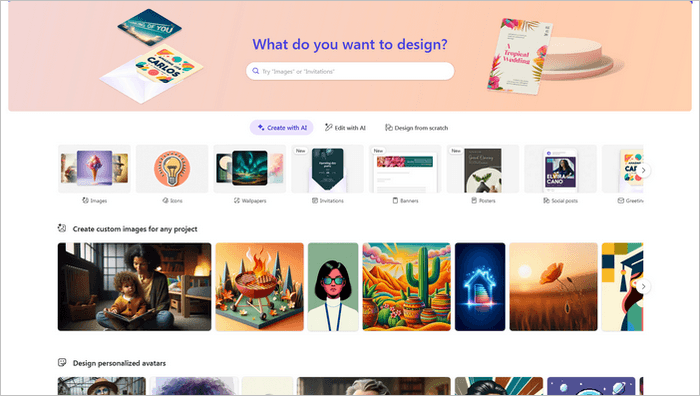
Microsoft Designer includes AI image creation features that make generating artwork accessible to newcomers.
Its intuitive interface allows users to turn simple text prompts into high-quality visuals in just a few moments, making the creative process both fast and enjoyable.
The platform is especially useful for creating social media graphics, presentations, invitations, and promotional content without advanced design skills.
Built-in templates and AI-assisted editing tools help users refine their images quickly, making Microsoft Designer an excellent choice for beginners who want to explore AI digital art creation with minimal learning time.
Best for:
- Quick visual content.
- Promotional graphics.
- Digital marketing materials.
Leonardo AI (Free Tier)
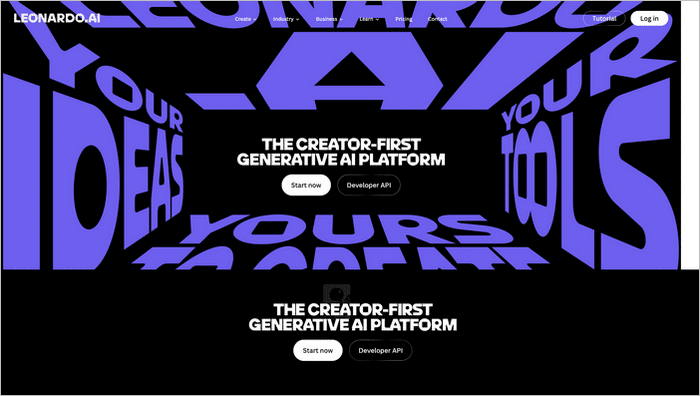
Leonardo AI provides generous free usage options and produces high-quality artwork, making it one of the most popular AI art generators for beginners and experienced creators alike.
Its advanced image generation models can produce detailed illustrations, concept art, fantasy scenes, and realistic visuals from simple text prompts.
The platform also includes powerful editing features, image refinement tools, and customizable settings that give users greater creative control over the final result.
As artists gain experience with AI digital art creation, Leonardo AI offers enough flexibility to support both personal projects and professional creative workflows.
Best for:
- Fantasy art.
- Character design.
- Game assets.
Playground AI
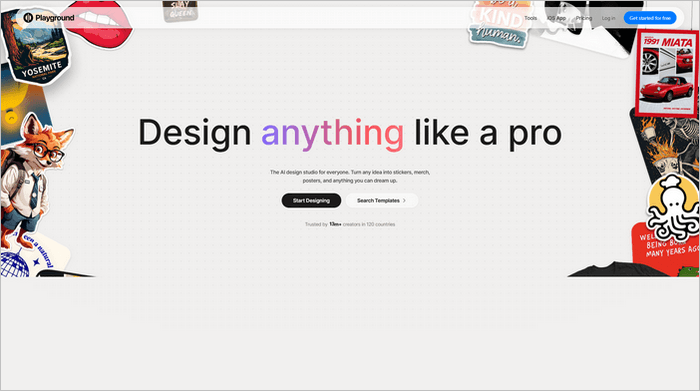
Playground AI allows users to create and edit images through text prompts, making it an excellent platform for experimenting with AI-generated artwork.
Its clean interface and flexible editing features make it easy to explore different artistic styles, compositions, and visual effects without requiring advanced design skills.
One of Playground AI’s biggest strengths is its ability to generate multiple variations of an image, giving creators the freedom to compare ideas and refine their concepts.
This makes it a great learning tool for beginners exploring AI digital art creation, while also providing enough creative flexibility for experienced artists working on illustrations, marketing graphics, or personal projects.
Best for:
- Experimentation.
- Concept creation.
- Learning prompt writing.
Premium AI Art Tools for Serious Creators
As skills and project requirements grow, premium platforms provide advanced capabilities. These tools often deliver higher image quality, faster generation speeds, greater customization options, and commercial licensing features that are valuable for professional work.
Professional designers often combine several AI digital art creation tools to speed up their workflow while maintaining complete creative control.
Each platform has its own strengths, so using multiple tools allows creators to choose the best solution for concept development, image editing, enhancement, or final production.
This flexible approach helps artists produce polished, high-quality artwork more efficiently while preserving their unique creative style.
Midjourney
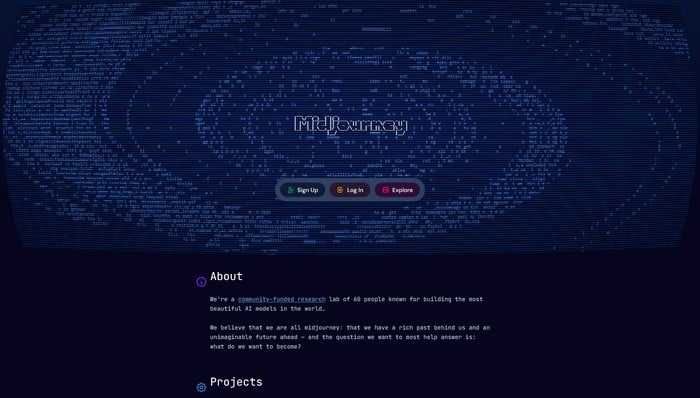
Midjourney has become one of the most respected AI art generators, earning a strong reputation for producing imaginative, high-quality artwork.
Artists, designers, and creative professionals frequently use it to transform simple text prompts into detailed illustrations with impressive depth, lighting, and composition.
It excels at producing highly artistic and visually striking imagery. Its distinctive style makes it especially popular for fantasy art, science fiction scenes, concept art, and creative storytelling.
For users looking to take their digital creation projects to a professional level, Midjourney offers exceptional image quality and nearly endless opportunities for creative exploration.
Best for:
- Professional concept art.
- Fantasy illustrations.
- Creative projects.
Adobe Firefly
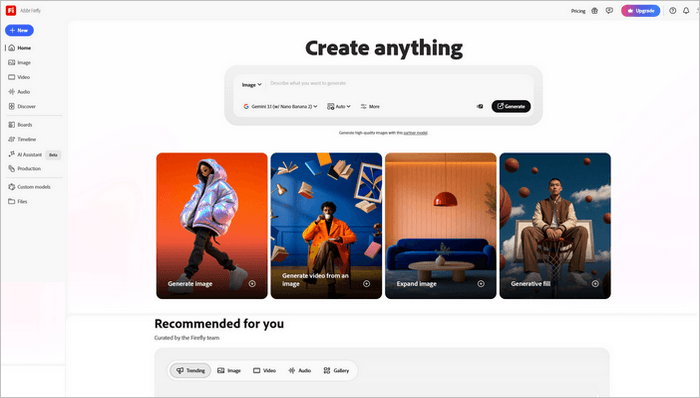
Adobe Firefly integrates seamlessly with Adobe Creative Cloud applications.
This makes it especially powerful for designers and creators who already work within Adobe’s ecosystem, allowing smooth transitions between AI-generated assets and tools like Photoshop or Illustrator.
Its text-to-image and generative fill features are intuitive and produce high-quality, commercially usable results, making it a strong choice for professional creative workflows.
It also stands out for its focus on responsible AI training, giving users more confidence in commercial projects.
While it may feel more limited compared to some standalone AI art tools, its tight integration and reliability make it highly practical for everyday creative work.
Best for:
- Professional designers.
- Commercial projects.
- Brand-focused content.
DALL·E
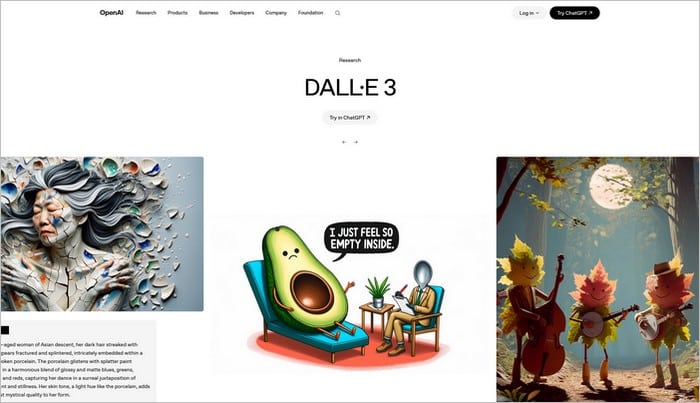
DALL·E creates detailed images from text prompts and supports image editing features. It is known for producing imaginative and highly coherent visuals, even from simple or abstract descriptions.
The tool also allows users to refine or extend images, making it useful for both creative experimentation and practical design work.
Its versatility makes it a popular choice for artists, marketers, and content creators who need fast, high-quality visual output.
In addition, DALL·E handles a wide range of styles, from photorealistic scenes to artistic illustrations, giving users strong creative flexibility.
While results can vary depending on prompt quality, it remains a reliable tool for turning ideas into visually compelling images.
Best for:
- Marketing visuals.
- Creative ideation.
- Illustration projects.
Runway
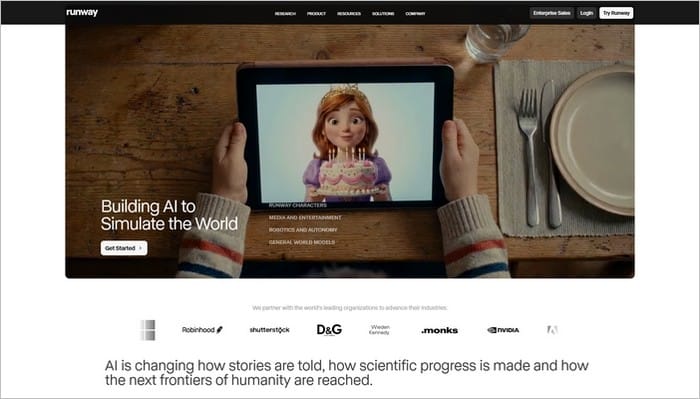
Runway combines AI-powered image and video generation capabilities. It is particularly strong in creating and editing video content, making it a valuable tool for filmmakers, designers, and digital storytellers.
Users can generate scenes, remove objects, or apply visual effects without needing advanced editing skills. Its real-time editing features help speed up production workflows significantly.
In addition, Runway supports a range of creative AI tools that make it easy to experiment with cinematic ideas and visual storytelling.
While it can take some time to master its more advanced features, it offers impressive flexibility for both short-form content and professional video production.
Best for:
- Video creators.
- Motion graphics.
- Multimedia projects.
Topaz Labs
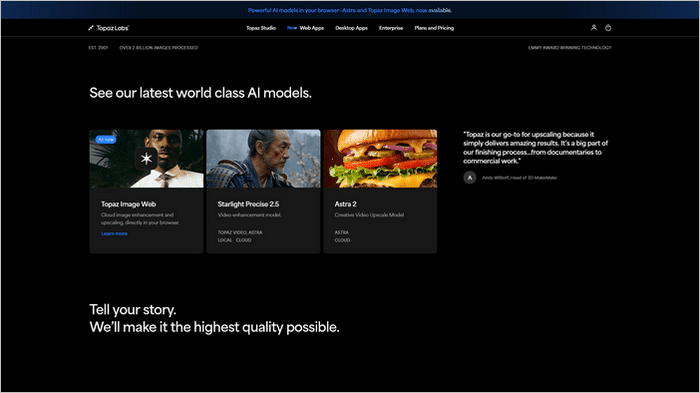
Topaz Labs specializes in image enhancement using artificial intelligence.
It is widely used for improving photo quality through tools like upscaling, noise reduction, and sharpening, making it especially valuable for photographers and content creators working with low-resolution or imperfect images.
The software is known for preserving fine details while significantly improving overall clarity.
In addition, Topaz Labs integrates well into professional workflows as a standalone tool or plugin for editing software.
Its AI models are continuously refined to deliver more natural and realistic results, helping users rescue older images or enhance modern high-resolution photography with impressive precision.
Best for:
- Upscaling.
- Noise reduction.
- Professional photo improvement.
How Artists Are Using AI Today
AI has already become part of many creative industries.
Illustrations: Artists use AI to generate initial concepts and refine them into finished works.
Game Development: Developers create character concepts, environments, and visual assets more quickly.
Marketing: Brands generate unique graphics for campaigns, advertisements, and social media content.
Publishing: Authors and publishers create book covers, promotional images, and illustrations with AI assistance.
Education: Teachers and students use AI-generated visuals to enhance presentations and learning materials.
Tips for Creating Better AI Artwork
Learning how to write detailed prompts is one of the fastest ways to improve your AI digital art creation results.
Creating exceptional AI-generated art requires more than typing random prompts. The more specific you are about style, lighting, composition, and mood, the more control you have over the final output.
Experimenting with different prompt variations also helps you understand how small changes can dramatically affect the results.
Be Specific
Detailed prompts produce stronger results.
Instead of:
“A castle.”
Try:
“A majestic medieval castle on a mountain during sunrise with golden light and cinematic atmosphere.”
Adding context, such as environment, lighting, and artistic style, helps the AI generate more accurate and visually compelling images. The more descriptive your prompt, the closer the result will match your creative vision.
Experiment Frequently
AI rewards creativity.
Small changes in wording can dramatically alter the outcome. Experimenting with different styles, perspectives, and descriptive details can yield surprisingly unique results.
Do not hesitate to iterate multiple times, as each variation helps you discover new creative directions.
Combine AI With Human Editing
The best results often emerge from combining AI-generated content with traditional editing techniques.
Many professional artists refine AI-generated images using software like Photoshop or Procreate. This hybrid approach allows for greater control over details, composition, and final polish.
It ensures that the creative output feels more intentional and professionally crafted.
Learn Basic Art Principles
Understanding composition, lighting, and color theory helps creators guide AI more effectively.
The stronger your artistic knowledge, the better your results. These fundamentals allow you to craft more intentional prompts and make informed adjustments to improve visual balance and impact.
Over time, this knowledge helps you consistently produce more professional-looking artwork.
Human Creativity Still Matters
Despite the impressive capabilities of AI, creativity remains deeply human.
Artificial intelligence can generate images, but it cannot replicate personal experiences, emotions, memories, and cultural perspectives in the same way people can.
The artist provides the vision.
The AI provides assistance.
Together, they create possibilities that neither could achieve alone.
This partnership is shaping a new era of artistic expression—one that empowers creators rather than replacing them.
Conclusion
AI digital art creation is transforming the creative industry by making powerful artistic tools available to everyone.
From beginners experimenting with their first digital illustration to professionals producing commercial artwork, AI is opening exciting new possibilities for creative expression.
Websites like Pixwizify make it easier than ever to learn how to enhance and optimize digital artwork for personal, professional, and commercial projects.
The technology offers faster workflows, limitless inspiration, and exciting opportunities for experimentation.
At the same time, artists must remain mindful of ethical considerations, copyright issues, and the importance of preserving their unique creative identity.
The future of digital art is not about humans competing with artificial intelligence. It is about humans and AI working together to explore new forms of creativity.
For artists willing to learn and adapt, this new era offers exciting possibilities that continue to expand every day.